

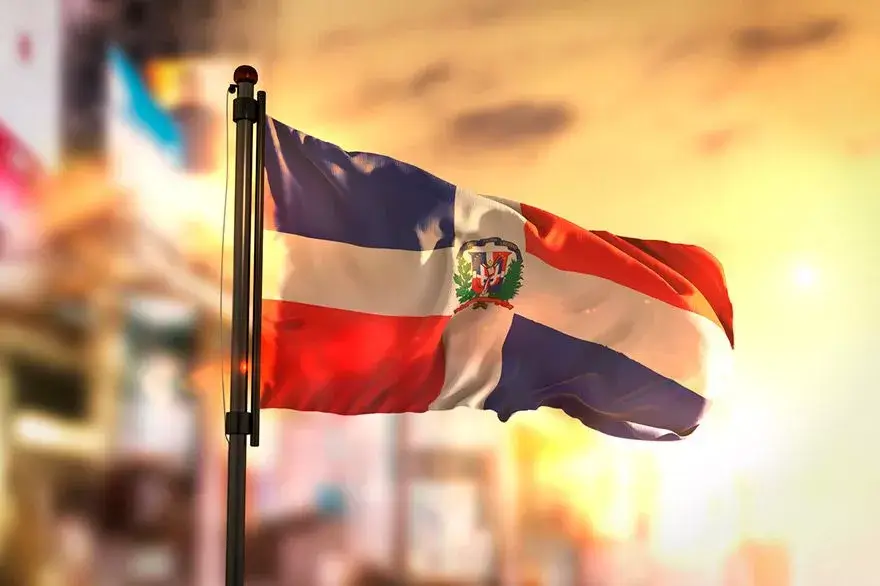
Brief History of the Dominican Republic
The Dominican Republic is a nation rich in history, culture, and traditions. Located in the eastern part of the island of Hispaniola, it shares the island with Haiti and is one of the most important countries in the Caribbean.
Before the arrival of the Europeans, the island was inhabited by the Taínos, an indigenous people who lived off agriculture, fishing, and trade. They called the island Quisqueya, which means “Mother of all lands”. (Wikipedia)
In 1492, Christopher Columbus arrived on the island during his first voyage to the New World and claimed the territory for Spain. Shortly thereafter, the city of Santo Domingo was founded, considered the first permanent European city in America and home to important colonial institutions such as the first cathedral, hospital, and university on the continent. (Encyclopedia Britannica)
During the following centuries, the island experienced political and economic changes under Spanish rule. In 1822, the eastern part of the island was unified under Haitian rule. However, the desire for independence led a group of patriots led by Juan Pablo Duarte, Francisco del Rosario Sánchez, and Ramón Matías Mella to fight for national freedom. On February 27, 1844, the independence of the Dominican Republic was proclaimed. (Wikipedia)
After independence, the country faced numerous political challenges, including internal conflicts, foreign interventions, and a brief annexation to Spain between 1861 and 1865. The War of Restoration returned Dominican sovereignty and strengthened the national sentiment. (Office of the Historian)
During the 20th century, the Dominican Republic experienced periods of foreign occupation, political changes, and economic growth. Over time, the country consolidated itself as one of the most dynamic economies in the Caribbean, driven by tourism, trade, free zones, and international investment. (Encyclopedia Britannica)
Today, the Dominican Republic is recognized worldwide for its beautiful beaches, its merengue and bachata music, its hospitality, and its vibrant culture. Its history reflects the strength, pride, and perseverance of a people who have managed to preserve their identity over more than five centuries.
The Dominican Republic continues to be a symbol of freedom, cultural diversity, and progress in the heart of the Caribbean.
"Get to know the Dominican Republic" LaGuiaDominicana.com.

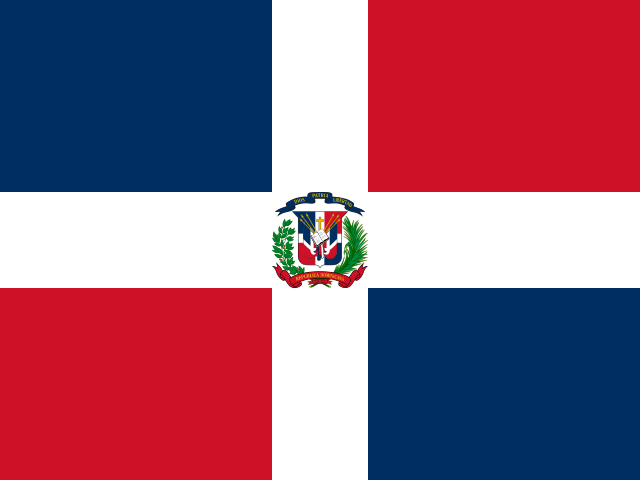 Spanish
 English