

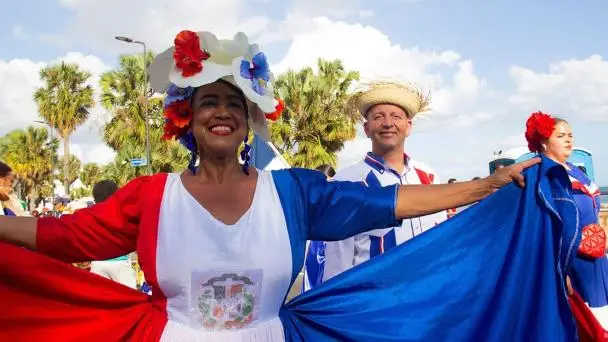
The Dominican Culture:
Dominican Culture: Traditions and Customs that Define a Nation
The Dominican Republic is a country full of history, joy, and cultural diversity. Its identity has been shaped by the influence of the Taino peoples, the Spanish colonizers, and African roots, creating a unique culture that is reflected in its traditions, customs, music, cuisine, and way of life.
Dominican culture is recognized for its human warmth, its festive spirit, and the pride that Dominicans feel for their roots. From the colorful popular celebrations to family gatherings, Dominican traditions continue to be a fundamental part of everyday life.
The Family: The Heart of Dominican Society
The family holds a central place in Dominican culture. Family ties are strong and family gatherings are frequent, especially during weekends, holidays, and special celebrations.
It is common for several generations to spend time together, strengthening the values of respect, solidarity, and mutual support.
Hospitality is also a distinctive characteristic of the Dominican people. Visitors are usually greeted with kindness, a smile, and often an invitation to share a meal.
Music and Dance: The Rhythm of the Dominican Republic
Music is an essential part of national identity. Two musical genres originated in the Dominican Republic and are now recognized internationally:
The Merengue
Considered the national rhythm, the merengue is characterized by its energy, joy, and easy adaptation to dance. It has been an important part of Dominican celebrations for generations.
The Bachata
Bachata emerged in the popular sectors of the country and over time became one of the most popular Latin genres in the world. Its romantic lyrics and contagious rhythms have conquered international audiences.
Festivities, festivals, and family gatherings are often accompanied by music and dancing, reflecting the cheerful spirit of the Dominican people.
Dominican Gastronomy
Dominican cuisine is a delicious combination of flavors and traditions.
Among the most representative dishes are:
- The Dominican Flag (rice, beans and meat).
- The Sancocho.
- El Mangú.
- The Pasteles en Hoja.
- The Stewed Goat.
- The Moor of Guandules.
- The Tostones.
Family meals are an important tradition and represent moments of unity and togetherness.
The Patronal Festivities
Every town and city in the country celebrates its patron saints' festivals in honor of their patron saints. These festivities include religious activities, concerts, cultural events, gastronomic fairs, and artistic performances.
The patronal fiestas are an excellent opportunity to learn about the local traditions and the community spirit of each region.
The Dominican Carnival
Carnival is one of the most colorful and anticipated cultural expressions in the country. It is celebrated primarily during the month of February in different cities and provinces.
The participants use elaborate masks and costumes that represent traditional, historical, and folkloric characters.
Among the most famous carnivals are:
- Carnival of La Vega.
- Carnival of Santiago.
- Carnival of Santo Domingo.
- Carnival of Bonao.
These celebrations attract thousands of visitors every year and are an important part of the Dominican cultural heritage.
Religion and Religious Traditions
Christian faith has played an important role in Dominican history and culture. Religious celebrations, especially Holy Week and Christmas, are moments of great significance for many families.
Churches, processions and community activities continue to be an important part of the country's cultural life.
Dominican Christmas
Christmas is one of the most special times of the year in the Dominican Republic.
Families decorate their homes, share traditional meals, and participate in celebrations that include music, the exchange of gifts, and family gatherings.
The traditional "parrandas" and Christmas gatherings reflect the festive spirit that characterizes the Dominican people.
Identity and National Pride
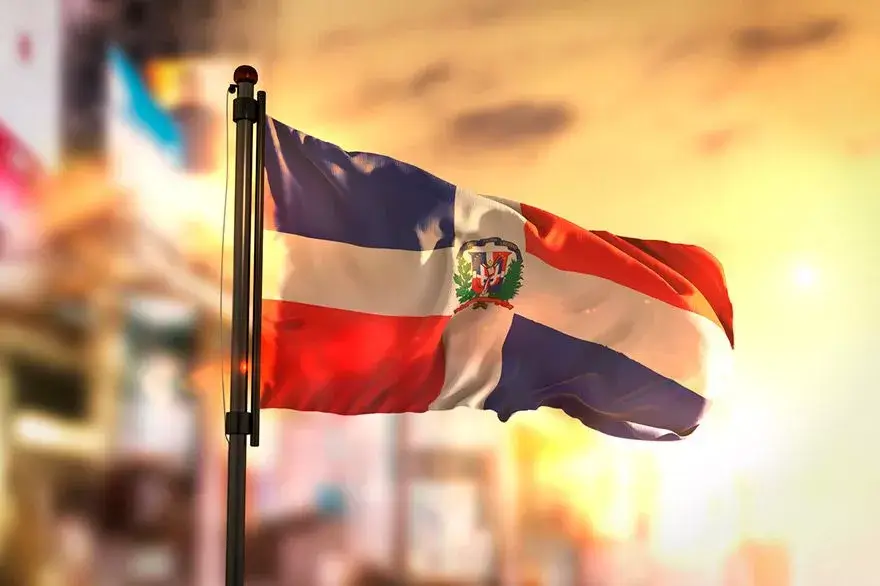
Dominicans feel a deep pride in their country, their flag, their history, and their traditions. This sentiment is reflected in the celebration of patriotic dates, the support for national artists, and the preservation of customs that have been passed down from generation to generation.
Dominican culture continues to evolve, but its values of hospitality, joy, work, and love for family remain intact.
Conclusion
Dominican culture is a vibrant combination of history, traditions, and customs that make the Dominican Republic a unique country in the Caribbean and the world.
From its music and cuisine to its festivals and family values, every aspect of Dominican culture reflects the cheerful and welcoming spirit of its people. Knowing these traditions is discovering the very essence of the Dominican Republic and understanding why millions of people fall in love with this beautiful nation.
That Defines a Nation
The Dominican Republic is a country full of history, joy, and cultural diversity. Its identity has been shaped by the influence of the Taino peoples, the Spanish colonizers, and African roots, creating a unique culture that is reflected in its traditions, customs, music, cuisine, and way of life.
Dominican culture is recognized for its human warmth, its festive spirit, and the pride that Dominicans feel for their roots. From the colorful popular celebrations to family gatherings, Dominican traditions continue to be a fundamental part of everyday life.
The Family: The Heart of Dominican Society
The family holds a central place in Dominican culture. Family ties are strong and family gatherings are frequent, especially during weekends, holidays, and special celebrations.
It is common for several generations to spend time together, strengthening the values of respect, solidarity, and mutual support.
Hospitality is also a distinctive characteristic of the Dominican people. Visitors are usually greeted with kindness, a smile, and often an invitation to share a meal.
Music and Dance: The Rhythm of the Dominican Republic
Music is an essential part of national identity. Two musical genres originated in the Dominican Republic and are now recognized internationally:
The Merengue
Considered the national rhythm, the merengue is characterized by its energy, joy, and easy adaptation to dance. It has been an important part of Dominican celebrations for generations.
The Bachata
Bachata emerged in the popular sectors of the country and over time became one of the most popular Latin genres in the world. Its romantic lyrics and contagious rhythms have conquered international audiences.
Festivities, festivals, and family gatherings are often accompanied by music and dancing, reflecting the cheerful spirit of the Dominican people.
Dominican Gastronomy
Dominican cuisine is a delicious combination of flavors and traditions.
Among the most representative dishes are:
- The Dominican Flag (rice, beans and meat).
- The Sancocho.
- El Mangú.
- The Pasteles en Hoja.
- The Stewed Goat.
- The Moor of Guandules.
- The Tostones.
Family meals are an important tradition and represent moments of unity and togetherness.
The Patronal Festivities
Every town and city in the country celebrates its patron saints' festivals in honor of their patron saints. These festivities include religious activities, concerts, cultural events, gastronomic fairs, and artistic performances.
The patronal fiestas are an excellent opportunity to learn about the local traditions and the community spirit of each region.
The Dominican Carnival
Carnival is one of the most colorful and anticipated cultural expressions in the country. It is celebrated primarily during the month of February in different cities and provinces.
The participants use elaborate masks and costumes that represent traditional, historical, and folkloric characters.
Among the most famous carnivals are:
- Carnival of La Vega.
- Carnival of Santiago.
- Carnival of Santo Domingo.
- Carnival of Bonao.
These celebrations attract thousands of visitors every year and are an important part of the Dominican cultural heritage.
Religion and Religious Traditions
Christian faith has played an important role in Dominican history and culture. Religious celebrations, especially Holy Week and Christmas, are moments of great significance for many families.
Churches, processions and community activities continue to be an important part of the country's cultural life.
Dominican Christmas
Christmas is one of the most special times of the year in the Dominican Republic.
Families decorate their homes, share traditional meals, and participate in celebrations that include music, the exchange of gifts, and family gatherings.
The traditional "parrandas" and Christmas gatherings reflect the festive spirit that characterizes the Dominican people.
Identity and National Pride
Dominicans feel a deep pride in their country, their flag, their history, and their traditions. This sentiment is reflected in the celebration of patriotic dates, the support for national artists, and the preservation of customs that have been passed down from generation to generation.
Dominican culture continues to evolve, but its values of hospitality, joy, work, and love for family remain intact.
Conclusion
Dominican culture is a vibrant combination of history, traditions, and customs that make the Dominican Republic a unique country in the Caribbean and the world.
From its music and cuisine to its festivals and family values, every aspect of Dominican culture reflects the cheerful and welcoming spirit of its people. Knowing these traditions is discovering the very essence of the Dominican Republic and understanding why millions of people fall in love with this beautiful nation.

 Spanish
 English